Commercial cleaning and food safety professionals in Brampton assist restaurants, food centers, bakeries, warehouses, and mobile food services staying compliant. They decontaminate regularly touched surfaces, food preparation surfaces, equipment, floors, drains, restrooms, and prep zones with approved chemicals, at correct dilution, and documenting contact times. You require regular sanitation determined by hazard level, volume, food allergies, and inspections, along with documented proof backing Hazard Analysis Critical Control Points, audits, and regulatory adherence. The sections below outlines how effective cleaning systems must contain.
Main Points
- Brampton sanitation experts service restaurants, grocery departments, commissaries, warehouses, bakeries, schools, mobile vendors, and allergen-sensitive operations.
- Frequently contacted areas, food-contact equipment, kitchens, floors, drains, restrooms, and storage areas are sanitized using zone-based workflows to avoid cross-contamination.
- Confirmation of approved sanitizer dilution, suitability, and exposure duration is executed by qualified contractors, with finishing recorded using swabs, inspections, and correction logs.
- Daily, weekly, and annual activities designated by zone constitute sanitation timelines founded on threat, production volume, changeovers, accidents, and guidelines.
- Insurance, colour-coded instruments, hazard analysis knowledge, public-health knowledge, WHMIS training, references, and inspection-ready maintenance records are critical vendor characteristics.
Brampton Operations That Need Food Safety Cleaning: Which Ones?
Food safety cleaning is mandatory for any Brampton facility that processes, stores, prepares, packages, or serves food. Apply it to your establishment if it comes under health oversight, food standards, or HACCP systems. This includes dining establishments, break rooms, distribution centers, market departments, meat shops, fish areas, stores, and food prep kitchens.
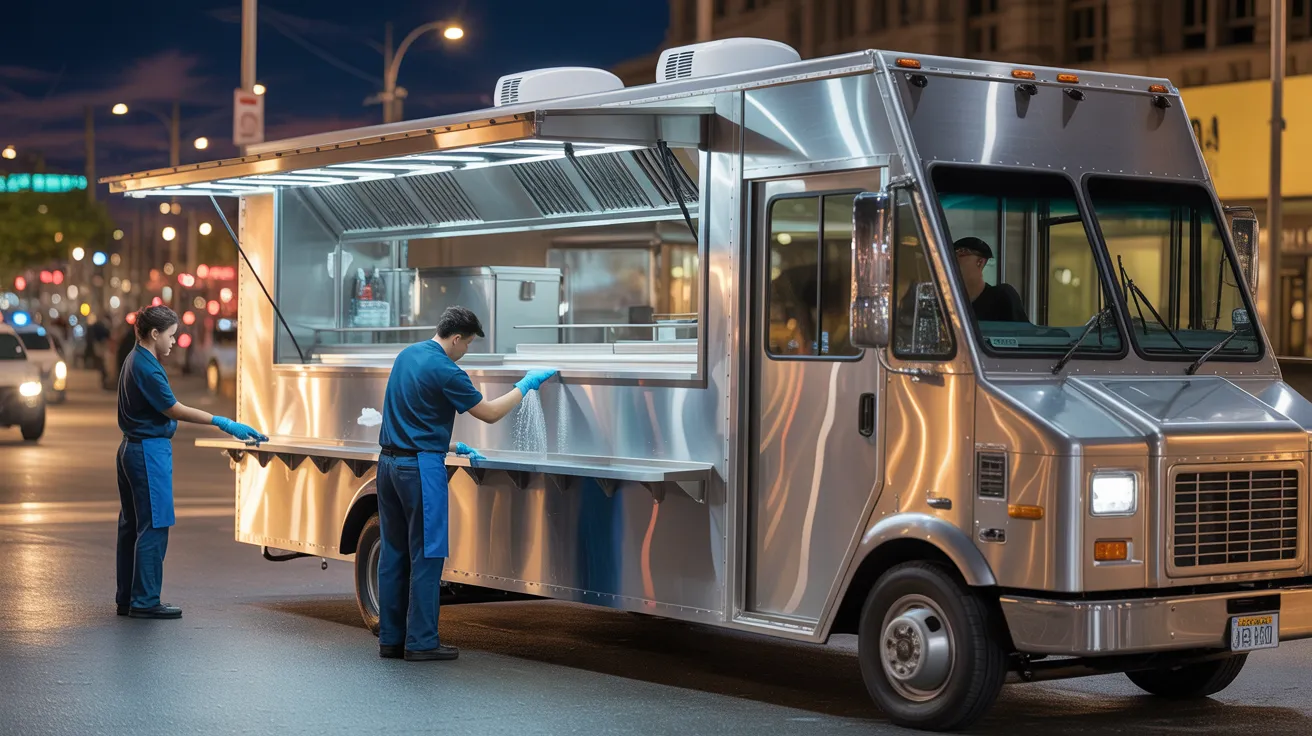
Proper hygiene protocols continues to be required in storage facilities, production centers, refrigerated warehouses, bakeries, school nutrition services, event spaces, and delivery hubs. Temporary mobile establishments matter as well, including food trucks, event sellers, and temporary stalls. Your establishment needs documented cleaning protocols whenever your staff process ingredients, portion ready-to-eat items, reheat products, or store allergens. In Brampton, hygiene remains not optional; it represents legal, operational, and consumer protection compliance.
What Services Do Brampton Cleaning Experts Provide?
Professional cleaning teams specializing in Brampton sanitize touched surfaces, kitchen facilities, ground surfaces, and sanitary facilities in compliance with food safety regulations. Focus on these locations stems from extreme cross-contamination risk, potential for accidents, and compliance issues.
By knowing exactly what gets cleaned, you can make sure your operation's sanitation protocols meet compliance standards.
High-Touch Surface Disinfection
Expert janitorial services highlight high-touch surface disinfection because of the threat of microbes and residue transmitting across your facility. You require a documented schedule for sanitizing frequently touched items like handles, plates, switches, railings, equipment controls, payment terminals, and fridge pulls. Using area assessment techniques, specialists locate every frequently handled area and determine cleaning intervals
By rotating towels, following directional systems, and segregating cleaning supplies by zone, you ensure a measurable, well-documented, and audit-prepared cleaning program.
Kitchen Areas, Floor Surfaces, and Bathroom Spaces
Professional cleaners in Brampton prioritize kitchens, floors, and restrooms given that each location involves specific contamination control, falling hazards, and health code requirements. In industrial kitchens, you need degreasing on cook lines, equipment exteriors, drains, prep surfaces, and splash zones to reduce contamination and pest pressure.
Floor care that is documented should also be anticipated. Technicians scrub and extract buildup from tile grout, ceramic surfaces, and vinyl floors, then apply correct drying techniques so you can limit falls and maintain code-compliant conditions. They also handle entryways where moisture and debris migrate indoors.
Restroom sanitation involves sanitizing touchpoints, fixtures, partitions, dispensers, and waste containers, replenishing amenities and managing odor. They also maintain restaurant cleaning supply rooms where product storage, sink cleanliness, and drain systems impact daily sanitation standards and worker protection.
Food Safety Cleaning Significance for Brampton Businesses
Brampton operations demand food-safe cleaning standards to meet compliance obligations and pass inspections. You also minimize cross-contamination by cleaning and sanitizing food-contact surfaces, equipment, and high-touch areas correctly. Most importantly, you help protect public health by lowering the risk of foodborne illness in your facility.
Sanitary Standards Adherence
Food establishments in Brampton face rigorous sanitary regulations, making food safety cleaning crucial to meeting health code requirements, protecting patrons, and sidestepping enforcement action. You must maintain hygienic food handling zones, recorded sanitation plans, correct sanitizer application, and auditable operational standards that align with municipal and provincial inspection expectations.
During inspections of your operation, officials evaluate if your cleaning procedures ensures safe storage, machinery hygiene, waste handling, and washroom maintenance.
Cross-Contamination Prevention
Following health code standards depends on your skill in stopping cross-contamination in routine food work and sanitation. You should isolate raw items from prepared foods, sanitize prep surfaces between tasks, and maintain separation of cleaning products from food. Clear procedures reduce transfer risks and promote steady regulatory adherence.
Building allergen isolation prevents priority allergens from contacting common workstations, storage, or apparatus. Leverage separate cutting boards, colored implements, and strict utensil labeling so team members won't blend products during preparation or service.Enforce handwashing after handling uncooked meats, shellfish, egg items, or allergen substances. Refresh cleaning cloths frequently, and confirm sanitizer strength with test strips. When your team follows these practices each shift, you create a cleaner, safer operation that exceeds Brampton's safety standards consistently.
Public Health Protection
If proper sanitation declines, you don't merely face potential inspection issues—you boost the probability of pathogenic contamination affecting customers, staff, and the broader Brampton area. You also weaken your role in protecting public health, especially in high-traffic food premises where pathogens travel quickly through surfaces, equipment, and touchpoints.
You need sanitation procedures that eliminate contaminants, sanitize correctly, and verify results. That means following contact times, employing authorized sanitizers, documenting schedules, and training staff to meet regulatory standards. These measures facilitate pathogen reduction by lowering microbial loads before they contaminate surfaces or food. In Brampton, rigorous cleaning shields at-risk groups, prevents disease spread, and enables you to show due diligence. When you maintain proper standards, you don't just meet regulations—you actively reduce risk and promote secure food handling citywide.
Why Is Cleaning Essential for Food Safety Compliance?
Maintaining strict sanitation practices ensures food safety compliance by reducing contamination risks, preventing pathogen multiplication, and keeping your facility compliant with sanitation requirements under HACCP-based programs and public health regulations. You verify that food-contact surfaces appear visibly clean and microbiologically controlled, facilitating documented preventive controls and inspection readiness.
Cleaning programs additionally bolster allergen management by eliminating residues that can lead to undeclared allergen exposure.
Establishing When to Schedule Commercial Cleaning
surfaces can collect contamination
facility shutdowns, weather-driven soil accumulation, or pest pressure periods.
Finding Quality Brampton Cleaning Experts: A Guide
Evaluate providers first by sanitation compliance standards rather than price alone. You must ensure each provider understands CFIA, public health, and HACCP requirements for your business. Request insurance proof, WHMIS compliance, staff training documentation, and supervision methods. Check technician understanding of contamination prevention, chemical handling, and traceable sanitation records.
You should further examine operational reliability and answerability. Request references from food facilities in Brampton, then review response times, corrective-action procedures, and communication standards. Validate the company supports supplier audits and can present inspection-ready documentation to authorities or external parties. Confirm equipment receives maintenance, colour-coded tools are applied correctly, and site-specific hazards are recognized. A qualified provider ensures regulatory compliance, product quality, and your brand reputation.
What aspects should a Food Safety Cleaning Plan contain?
Write out a plan that outlines every sanitation task, standard, and responsibility before production begins. You should include cleaning schedules, approved products, ratios, contact periods, tools, and validation approaches for each area, surface, and device. Ensure you include pre-operational inspections, corrective actions, and employee training requirements.
Your plan should also focus on cross-contamination controls, waste handling, pest-prevention measures, and documented schedules for rest areas, drains, flooring, and food-contact surfaces. Detail how you'll keep raw and ready-to-eat processes separate, facilitate ingredient tracking, and ensure accurate allergen labeling through validated cleaning between product changes. You should assign accountability, keep signed records, and review results against regulatory standards, HACCP controls, and customer requirements. When gaps appear, modify procedures immediately and retrain staff.
Regular Asked Inquiries
Can cleaning services support nighttime operations in Brampton properties?
Yes, you can book sanitation coverage to accommodate nighttime operations in Brampton facilities. You'll coordinate nighttime cleaning around operational windows, access requirements, and personnel needs. Services typically establish overnight logistics to reduce interruption, maintain standards, and record finished tasks. You should confirm arrival schedules, supervision, access procedures, and waste management before starting service.
Do sanitation professionals offer hazard containment solutions?
Yes, you can discover many Brampton cleaning professionals providing hazard containment services. They handle hazardous incidents, evaluate risks, isolate contamination, and begin swift decontamination to minimize exposure and avoid operational impact. You should confirm timeframes, credentials, PPE measures, and waste procedures. If your facility must meet compliance standards, pick a provider that documents events, adheres to standards, and ensures audit compliance.
Do eco-friendly disinfectants perform safely on food preparation areas?
Yes, eco-friendly disinfectants can be suitable for food-handling equipment if you pick items marked food-safe and meeting regulatory standards. You should confirm exposure duration, dilution ratios, and rinsing needs before use. Many plant based formulas minimize harsh chemical exposure, but you must obtain proof of efficacy against relevant pathogens. To maintain residue free surfaces, you should adhere to manufacturer instructions exactly and verify the cleaning agent meets food industry regulations.
Can sanitation programs be modified for production fluctuations?
Yes, you can tailor maintenance plans for production fluctuations. You should adapt timing, labor allocation, sanitizers, and confirmation procedures to align with operational cycles while sustaining regulatory adherence. You'll decrease production downtime by scheduling sanitization around line changes, peak seasons, and usage patterns. You should also update written procedures, training, and environmental monitoring to account for periodic risks, novel allergens, or increased soil loads. Ongoing evaluations keep your program efficient.
Are commercial cleaners offering staff training on hygiene protocols?
Indeed, professional cleaners often offer employee coaching on sanitation best practices. Your staff obtains training on safe chemical application, contact times, cross-contamination prevention, equipment disassembly, and record-keeping. They typically follow training with HACCP, GMP, and CFIA or regional health standards criteria. Many perform sanitation audits to professional advice confirm standards, identify gaps, and strengthen improvement measures. This supports you in maintain consistent procedures, pass inspections, and decrease foodborne illness risks each day.
Final Thoughts
By collaborating with Brampton commercial cleaning and food safety experts, you aren't just organizing—you maintain your facility inspection-ready and your practices in compliance. From production areas to kitchen zones, every sanitized surface and organized space decreases contamination and prevents costly issues. By scheduling cleanings on the right schedule and adhering to a systematic cleaning protocol, you protect your team, customers, and your credibility. In a heavily controlled environment, clean spaces are mandatory—they're essential to successful operations.